Emotional Eating vs True Hunger - A WINTER RESET LFH Issue 2025 Vol. 23
by: Megan Allen, RD, LD, CDCES
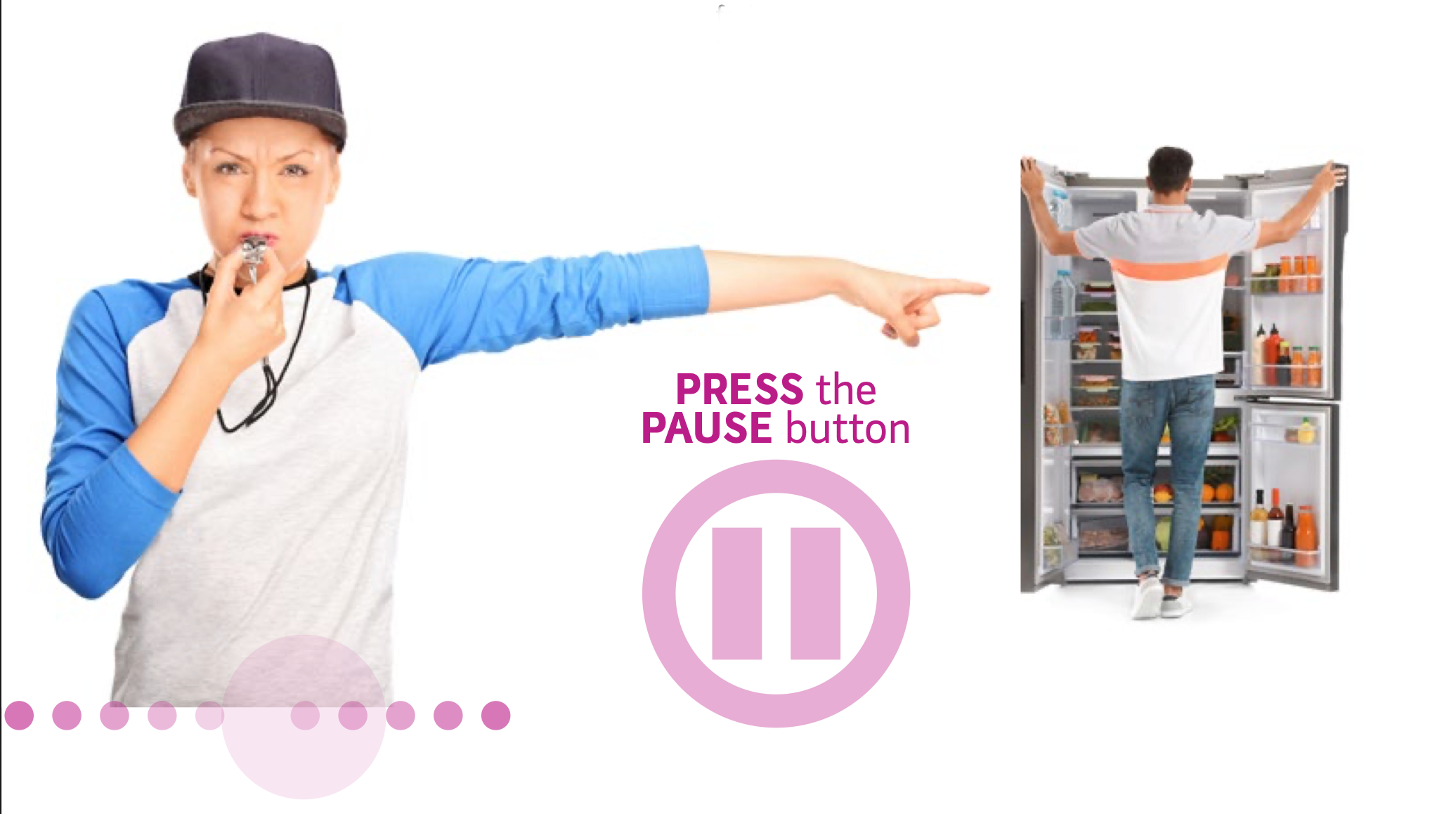
We often blame holiday parties and rich desserts for winter weight gain, but the real culprit might be more subtle: emotional eating. When the days grow shorter and the cold settles in, it’s easy for our bodies and minds to shift in ways that can make food feel like the fastest route to comfort. However, the slower pace of winter offers a chance to notice these patterns and approach them with curiosity rather than judgment. One of the biggest challenges for many people is learning to tell the difference between emotional hunger and true hunger. True hunger builds gradually and can usually be satisfied by a range of foods. Emotional hunger often appears suddenly, feels urgent and is tied to specific cravings. A great way to start learning the skill of eating for true or physical hunger is to pause before eating and ask yourself a couple of questions.
Am I physically hungry?
This is the first simple question you should ask yourself. If you are, go ahead and eat! Honoring your physical hunger is an important step to healing your relationship with food and your body. Choosing snacks or meals that include protein, healthy fats, and high fiber carbohydrates can help maintain a stable mood and good energy. It’s also important not to overlook hydration, since thirst cues may be diminished when the weather is cold. For those on medications that suppress appetite, such as a GLP-1, these cues may feel different depending on your dose. Working with a knowledgeable Registered Dietitian while on this type of medication can help individuals honor their hunger and fullness cues while still nourishing their body appropriately.

What am I feeling?
This is the second question to ask yourself if you find yourself wanting to eat for emotional reasons. Are you tired, lonely, overwhelmed, or bored? This is an important question because once you can name the feeling, it becomes easier to find an answer to the next question which is: “What do I need?” If you’re feeling tired, maybe you need a nap, an early bedtime, or maybe an extra glass of water and a 10-minute walk outside. If you’re lonely, maybe you need to call or text a friend or family member. You might even try going to a local coffee shop or library for a few hours just to be around other people, even if they’re strangers. If you’re feeling stressed, maybe what you really need is a written plan for tackling a stressful task. If eating still feels appealing after addressing the underlying feeling, it can then be an intentional choice rather than an impulsive one. The goal is to ensure food is not your first and only means for coping with uncomfortable emotions.
Emotional eating isn’t something to erase; it’s a signal worth listening to. This winter, when the impulse to snack strikes, take a moment to ask yourself what you’re truly feeling and what you genuinely need. You might find that the comfort you’re craving isn’t in the kitchen after all.