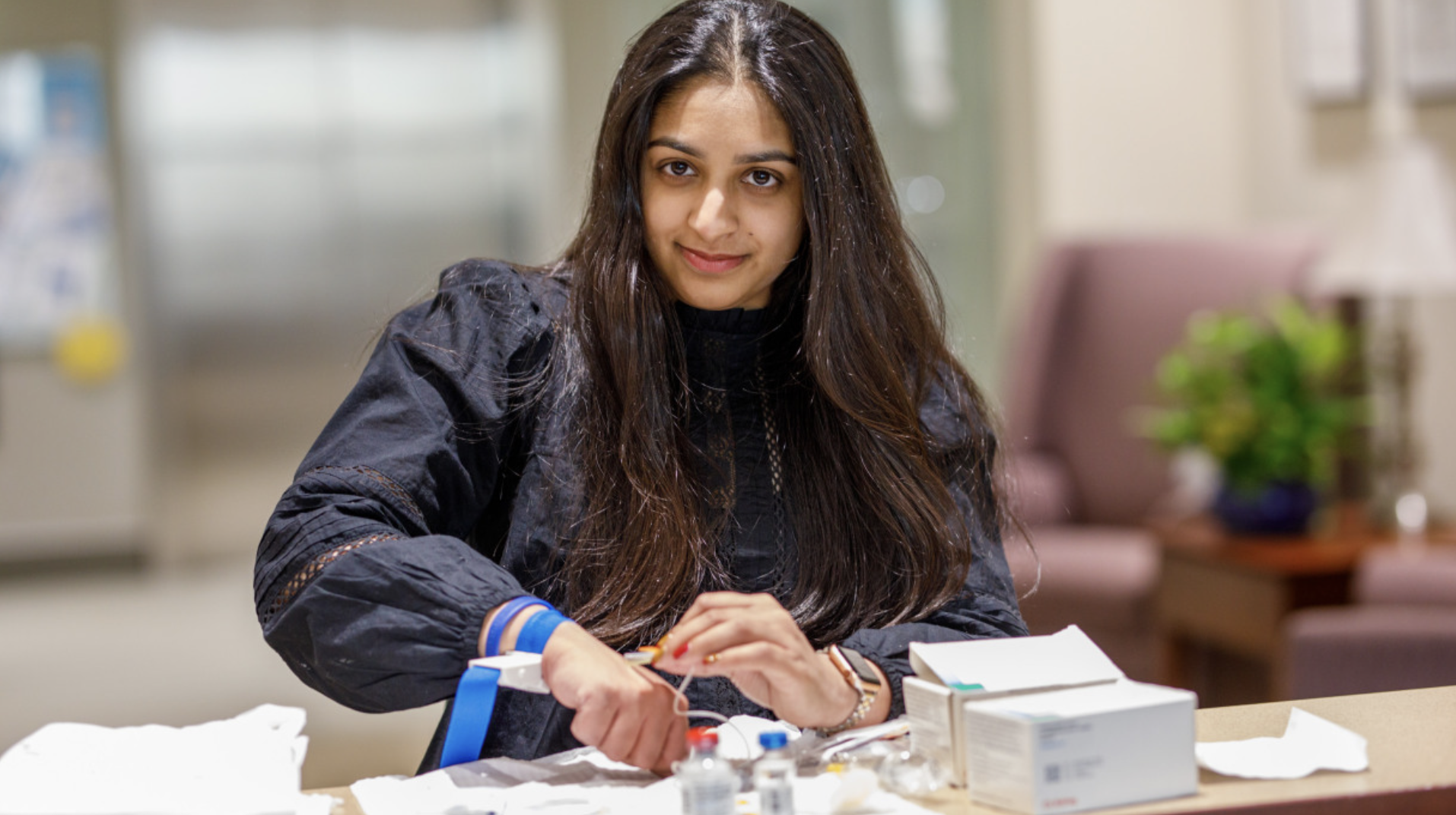
Within our own community, we have some truly amazing individuals that we have had the privilege to serve and those who then join us in our efforts to achieve our mission goal. Shanthi is one of these shining individuals that we were able to connect with at our Ultra-Rare One Drop Conference and then become a family pal for us at Inhibitor Family Camp. This article has a STRONG message of what has happened since the current administration made sweeping cuts to the departments, research and endeavors that keep us safe in the blood disorder world.
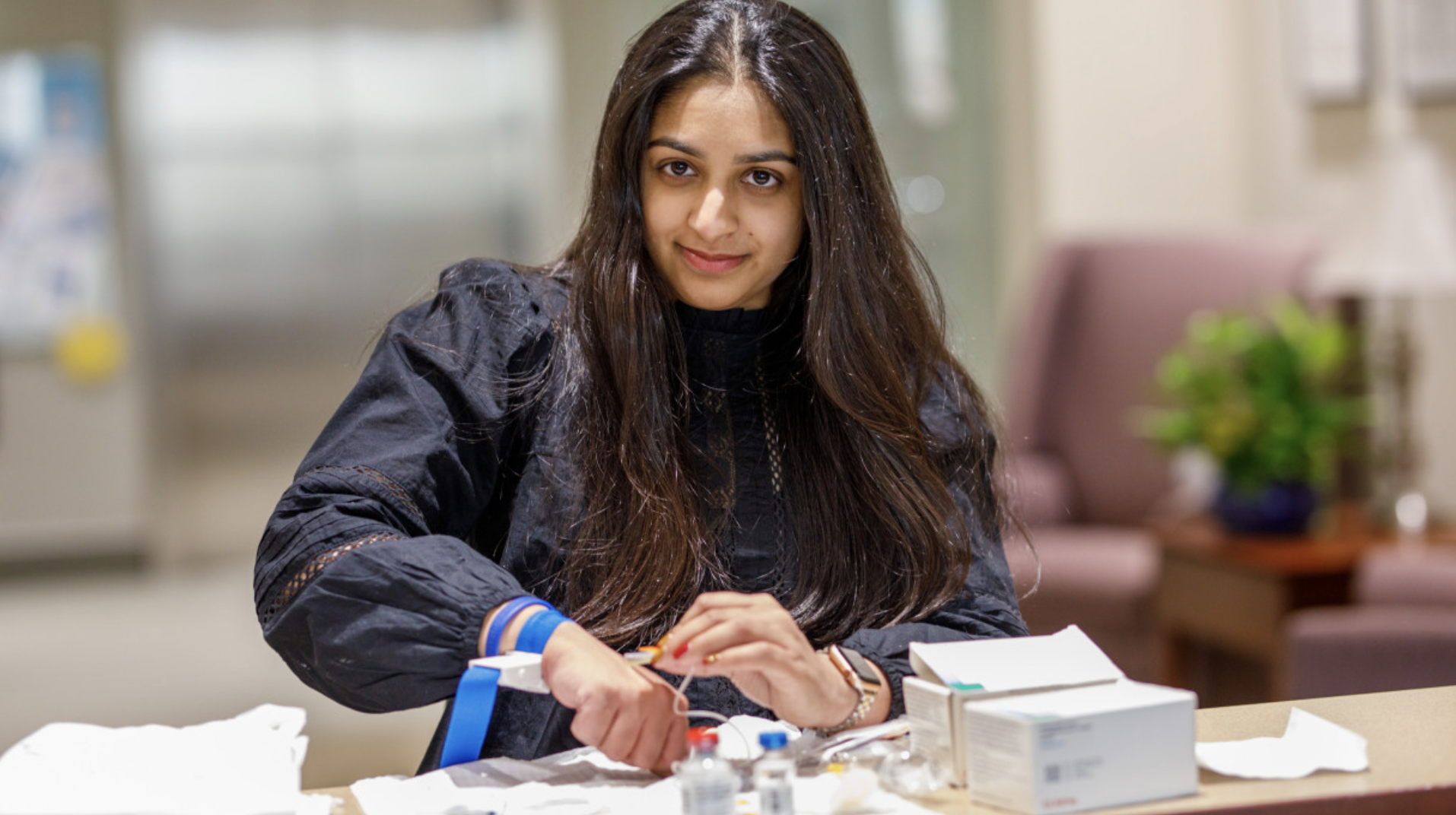
Shanthi Hegde, a Brown MPH student who lives with multiple rare bleeding disorders and has turned her personal experience into public health advocacy. After years of being misdiagnosed and dismissed—partly due to gaps in how symptoms present in women and people of color—she was finally diagnosed in college, but not before suffering long-term physical damage. Her conditions require constant treatment and shape many aspects of her life, from daily routines to career choices.
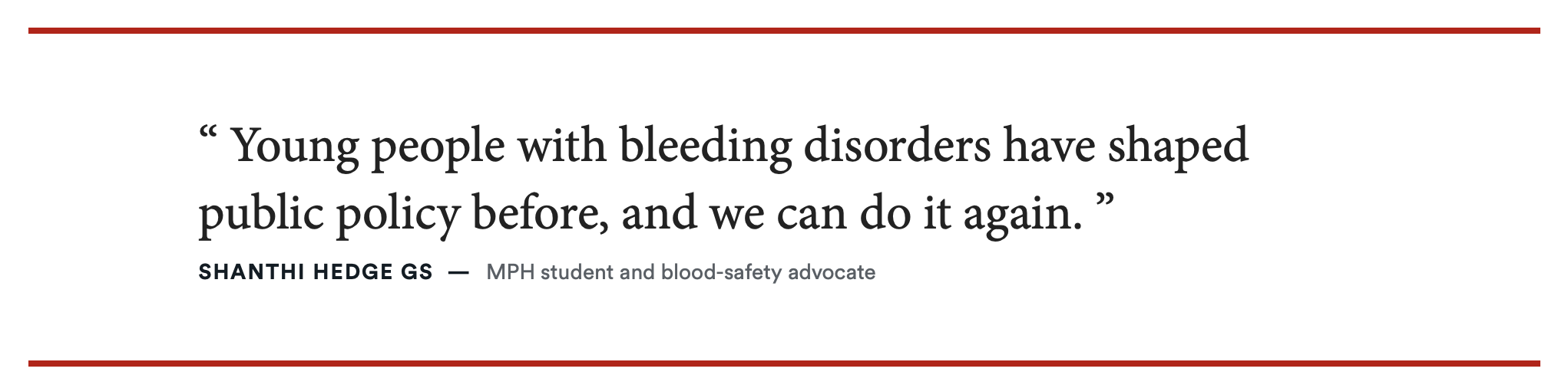
Motivated by both her own experience and the historical failures of blood safety systems (like the HIV-contaminated blood crisis), Hegde now advocates for stronger federal oversight of the U.S. blood supply. She has spoken with policymakers about how recent CDC layoffs have weakened monitoring systems, raising risks not just for people with rare disorders but for the broader population that relies on safe blood. Her central message is that blood safety is fragile and essential to public health, and without strong oversight, past tragedies could repeat.