
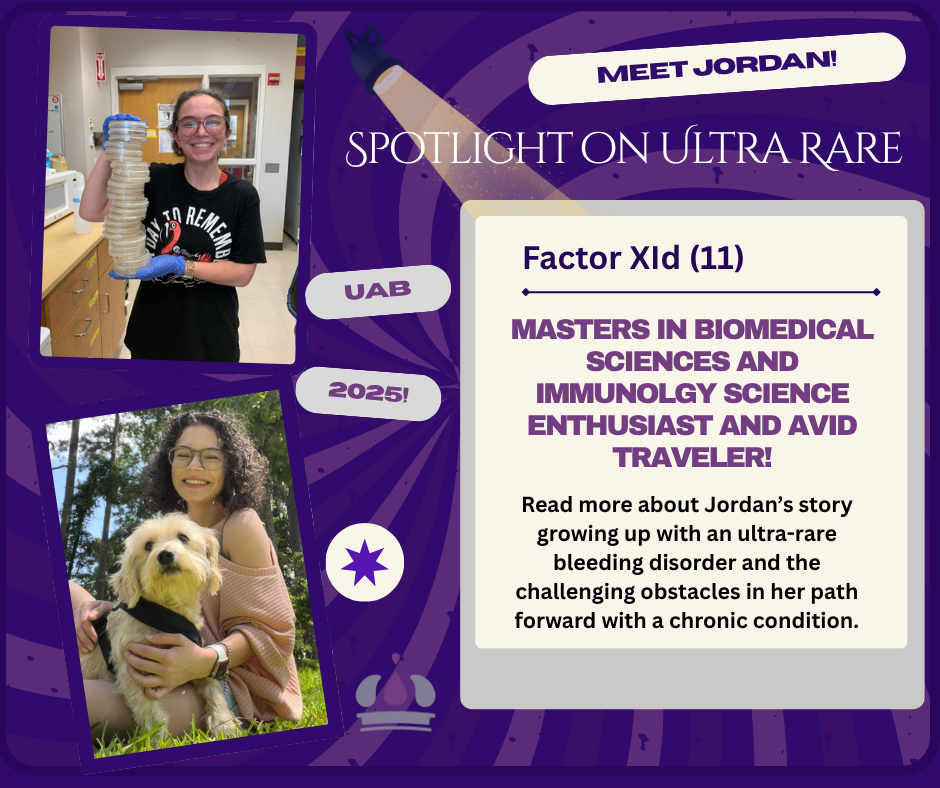
Sᴘᴏᴛʟɪɢʜᴛɪɴɢ 🔦 ᴀɴ Uʟᴛʀᴀ-Rᴀʀᴇ Sᴛᴏʀʏ: Mᴇᴇᴛ Jᴏʀᴅᴀɴ ᴡɪᴛʜ FXI (Fᴀᴄᴛᴏʀ 11 Dᴇꜰɪᴄɪᴇɴᴄʏ)
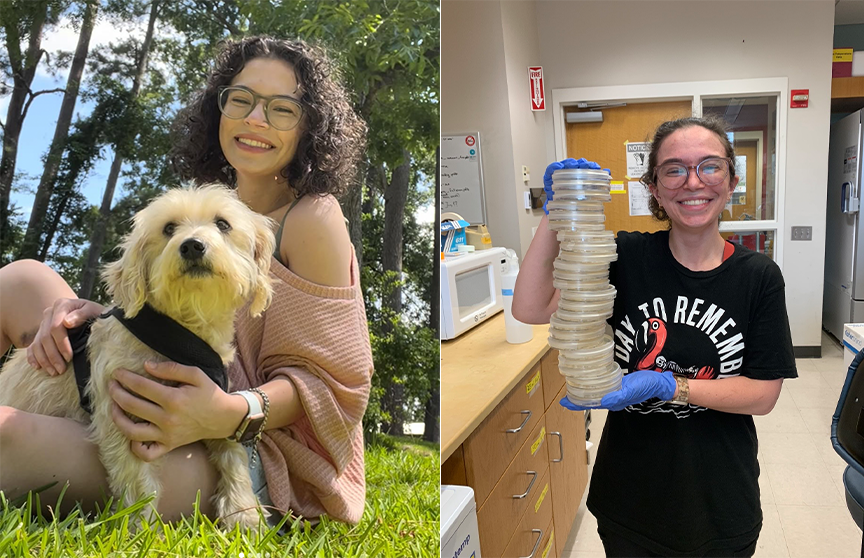
Jordan was diagnosed with hemophilia C (factor XI deficiency) just three days after birth, when prolonged bleeding from a heel stick raised concern. Her mother, who had the same condition, recognized the signs immediately. Growing up, she remained highly active in cheer, dance, and gymnastics despite frequent bruising, while her parents and schools worked together to manage her condition as best they could. Frequent moves kept her near strong medical care teams—until age 13, when her family relocated to rural Mississippi, where access to specialized care became limited and required long drives to the nearest treatment center.
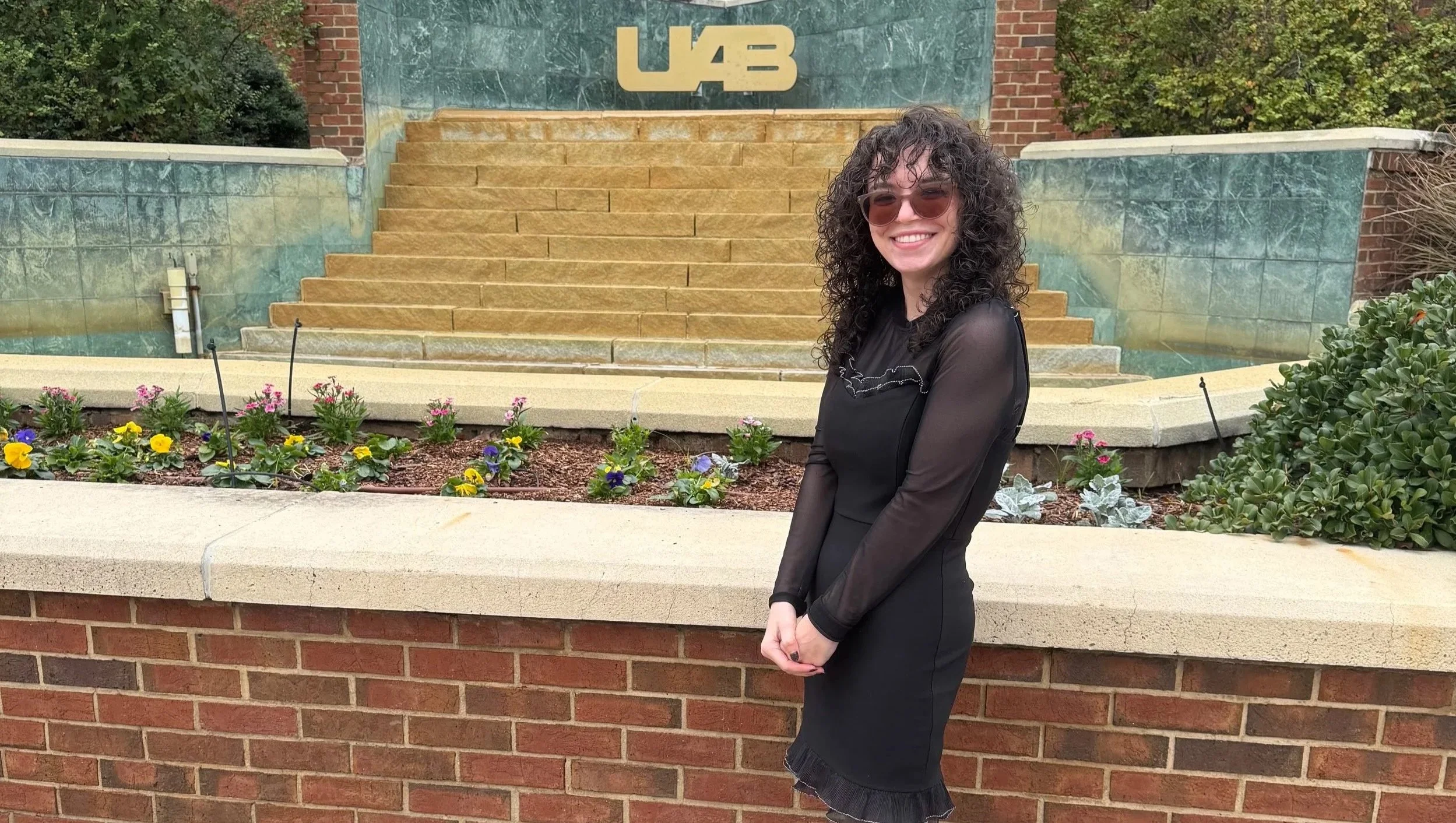
Starting eighth grade in a new school system, her mother provided medical documentation and requested accommodations, but the school denied her a 504 plan, claiming she was “too smart to be disabled.” This lack of support became especially difficult when she began menstruating and developed menorrhagia, requiring medication to manage heavy bleeding. With restricted restroom access and teachers unwilling to let her leave class or see the school nurse, she struggled silently. Dental treatment was particularly challenging, especially with wisdom teeth removal, the daily infusion treatment post-surgery. This meant attending school with an IV in her hand—yet most teachers remained unaware of her condition, while others often questioned whether or not she should be in school with her hand accessed at all times.
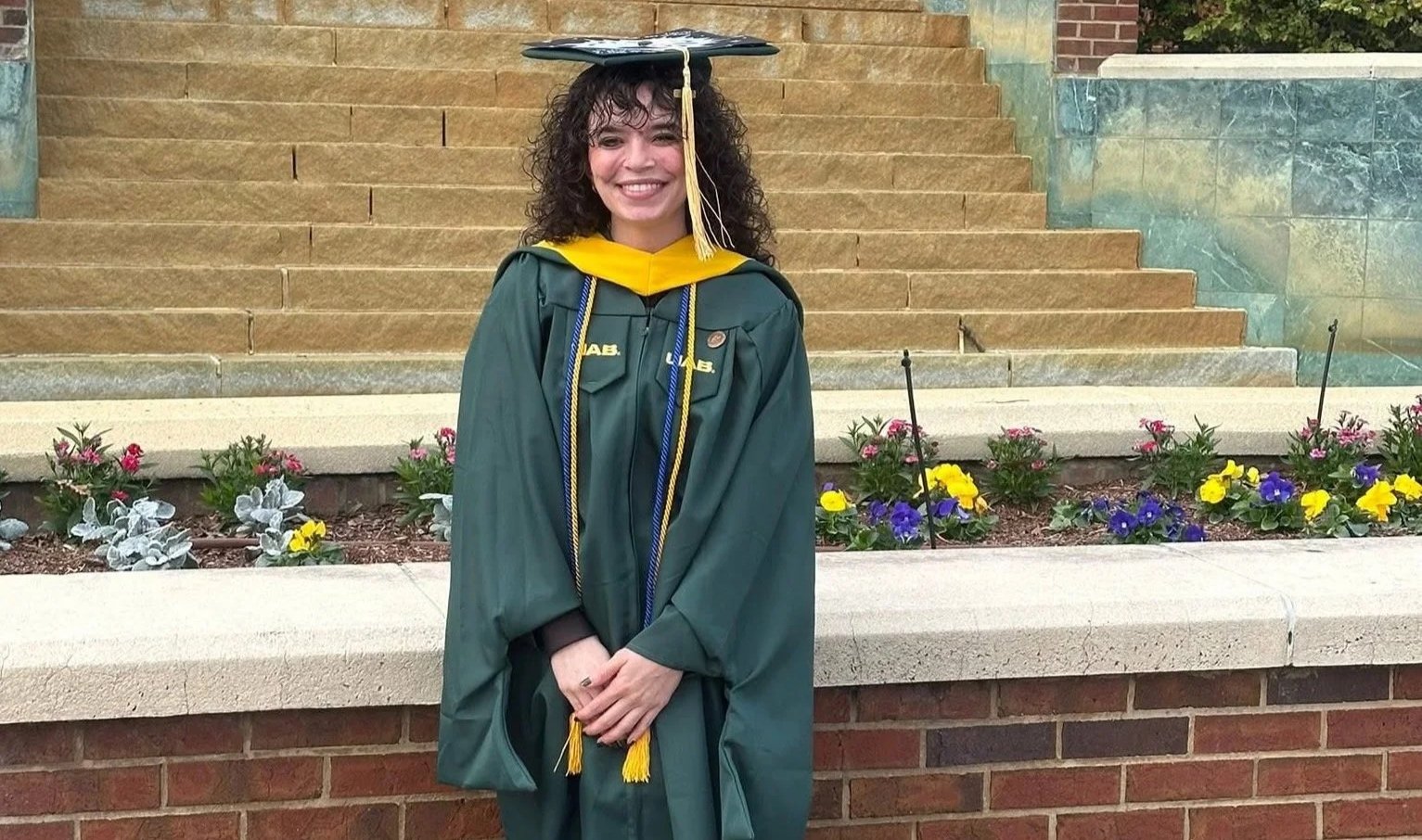
Despite maintaining excellent grades, the absence of support took a toll on her mental health, causing anxiety, self-consciousness, and depression. She felt overlooked and misunderstood, caught between expectations to function normally and fears about her safety. Nevertheless, she graduated near the top of her class, completed her bachelor’s degree in three years during the pandemic, and went on to earn her master’s degree. As she matured, she recognized that while her school may not have fully understood her condition, they were still responsible for failing to provide proper support—raising lasting questions about accountability and how many other students might face similar challenges.
We encourage all who have a bleeding disorder to explore how to find your nearest HTC to begin receiving support: 🏥
https://dbdgateway.cdc.gov/HTCDirSearch.aspx